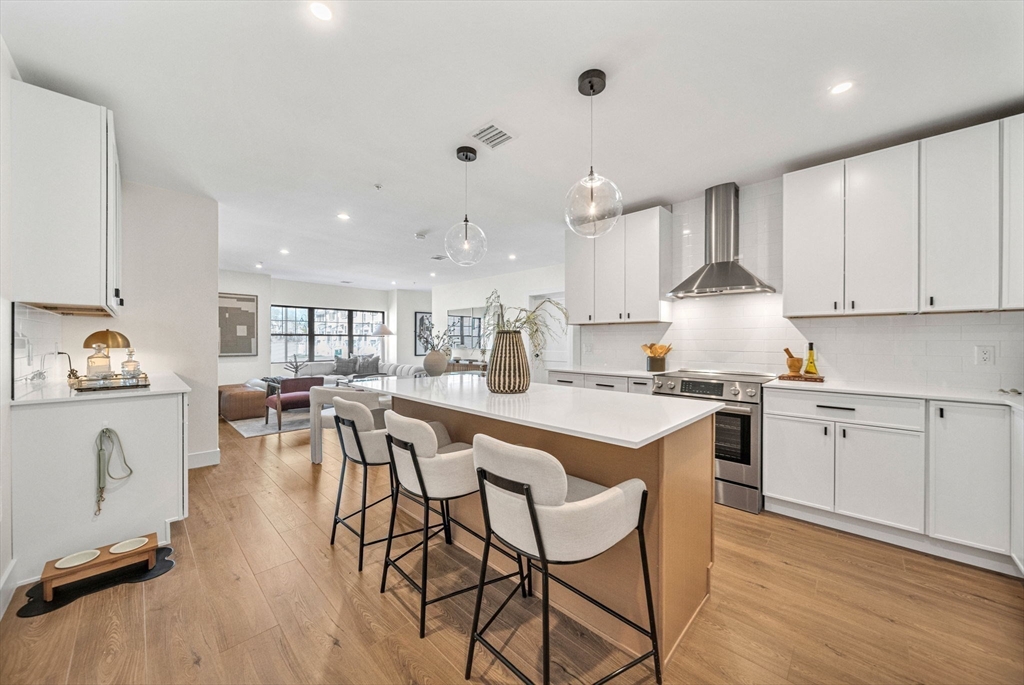
Send Kelly your address and property details for a comparative market analysis (CMA). She can review recent comparable sales, discuss a price range and help you plan when and how to list.
WHAT GOES INTO THE ANALYSIS
How Kelly Estimates Your Home’s Value
Your home’s condition and features
Review the property type, layout, living area, lot or shared ownership, parking, condition and improvements. Identify anything that needs documentation or an in-person visit.
Recent comparable sales
Select recent sales of similar homes, then compare location, sale date, condition, size and layout. Explain which sales are useful comparisons and why others are excluded.
Competing listings
Compare homes currently for sale and available information on pending sales with completed sales. A listing price does not tell you what a buyer will pay.
Your listing plan
Consider repairs, occupancy and timing when setting the listing price. Decide when to review the price based on showings, offers and competing listings.
PLANNING YOUR SALE
From Valuation to Listing
An estimated price range
Review the comparable sales used to estimate the range and the property details that could affect it.
Pre-listing preparation
Decide which repairs, cleaning or staging fit your budget and listing schedule.
A listing and review schedule
Set a listing date and a schedule for reviewing buyer feedback and pricing.
CMA, Tax Assessment or Appraisal?
Comparative market analysis
An agent’s estimate based on comparable sales and the property’s features and condition. The analysis should explain its assumptions.
Municipal assessment
The value the city or town uses to calculate property taxes. It may differ from what the home would sell for today.
Appraisal
A professional valuation, often required by a mortgage lender. A CMA does not replace a required appraisal.